
World Stamps: Where to Start
Collecting everything is not a strategy. Choosing a boundary is the first real decision a collector makes.
Worldwide collecting was normal when the total number of stamps ever issued was small enough to contemplate. It no longer is — hundreds of postal administrations have issued material for over a century, and a genuinely complete worldwide collection stopped being achievable long ago.
Every experienced collector has therefore chosen a boundary, whether or not they describe it that way. The boundary is what turns an accumulation into a collection, and picking one early saves both money and shelf space.
Boundaries that work
Any of these gives a collection a shape, an end point, and a reason to say no to material.
- One country, all periods
- The most common approach. Deep enough to sustain decades of interest, with well-documented catalogues and an active specialist market.
- One period, many countries
- Classic-era material worldwide, for instance. Produces a collection about a moment in history rather than a place.
- A theme
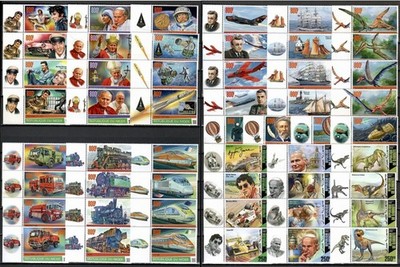
- Birds, ships, maps, the space race. Thematic collecting is often dismissed as unserious, wrongly: a well-researched thematic exhibit is judged on the story it tells and the difficulty of the material used to tell it.
- Postal history
- Covers and routes rather than stamps alone — how mail actually moved, evidenced by rates, routes and markings. The most historically rich end of the hobby.
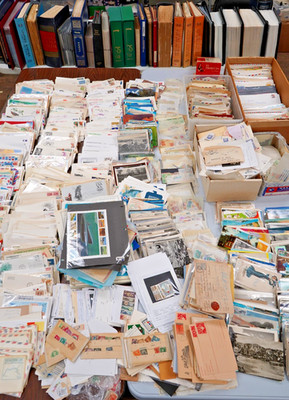
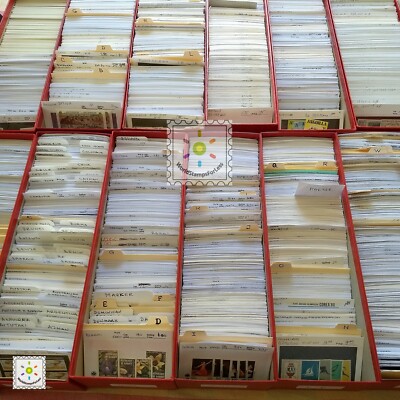
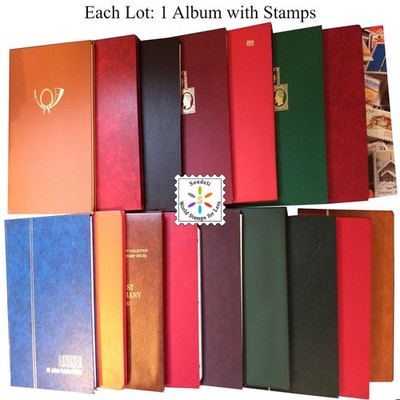
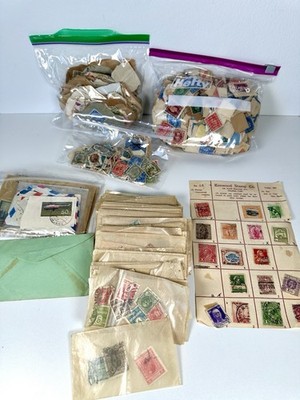
Worldwide lots and collections
Mixed-country accumulations, which are the usual and cheapest way to find out what actually holds your interest.



On buying collections rather than singles
Buying an existing collection is almost always cheaper per stamp than assembling the same material one purchase at a time, and it is how most collectors acquire their bulk. The trade-off is that you inherit somebody else's decisions, including their condition standards, and a significant share of what arrives will be material you did not want.
That is not wasted. Duplicates and surplus are the currency of trading, and sorting an inherited collection is genuinely the fastest way to learn to recognise issues on sight.