What Makes a Stamp Valuable
Age is the factor most people reach for first, and it is the least reliable. Here is what actually moves the price.
Almost everyone new to philately makes the same assumption: older means rarer, and rarer means valuable. It is an intuitive chain of reasoning and it breaks at the first link. Enormous numbers of nineteenth-century stamps were printed, saved, and passed down in albums, and a great many of them are worth very little. Meanwhile stamps issued within living memory can command serious money because of a printing error nobody noticed until the sheets were long gone.
What actually sets the price is a short list of variables that interact. Understanding how they combine is most of the work.
The variables that matter
Roughly in order of how much they typically move a price.
- Condition
- The single biggest lever, and the one beginners underrate most. A stamp with a thin spot, a tear, a crease or a repaired corner can be worth a small fraction of the same stamp intact. Condition is assessed on the back as carefully as the front.
- Centring
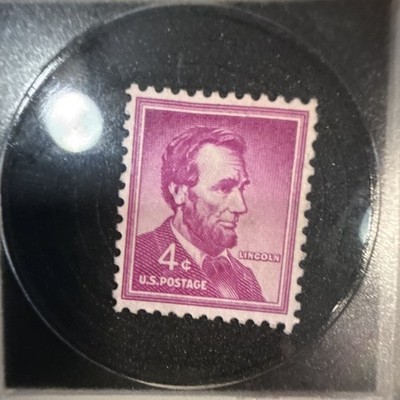
- How evenly the design sits within its perforations. Early printing and perforating equipment was imprecise, so genuinely well-centred classic stamps are scarce. The difference between an average and a superbly centred example of the same issue is often several multiples.
- Gum
- For unused stamps, the original adhesive on the back. Never-hinged gum — untouched, with no mount marks — carries a substantial premium over gum disturbed by a hinge. Regummed stamps are a known form of fraud and a reason to buy certified material at higher values.
- Cancellation
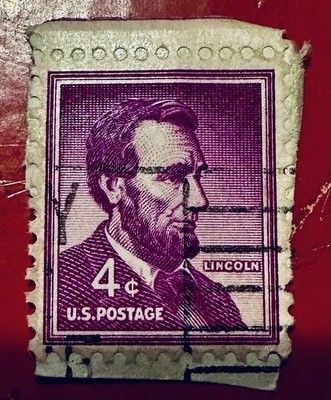
- On used stamps the postmark can help or hurt. A light, neat cancel that leaves the design readable is desirable; a heavy smudge across the face is not. Certain cancels — particular towns, dates or fancy carved handstamps — are collected in their own right.
- Scarcity
- Not how many were printed, but how many survive in collectible condition. Common issues used heavily on commercial mail can be genuinely rare in sound unused form.
- Errors and varieties
- Inverted centres, missing colours, imperforate pairs, doubled impressions. These are where the headline prices live, because the population is often measured in dozens rather than thousands.
Classic issues on the market now
Live listings for single classic stamps rather than bulk lots — the material where condition and centring do most of the work.




Why certification exists
At the point where a stamp is worth more than a few hundred dollars, the market stops taking the seller's word for it. Expertising bodies examine the stamp against reference material and issue a certificate confirming that it is genuine, that the gum has not been replaced, that perforations have not been reperforated to improve centring, and that no repairs have been hidden.
The logic is identical to third-party grading in trading cards: an independent opinion converts a private claim into something the market can price without inspecting it. It is the reason a graded card and a certified stamp both trade at a premium over raw equivalents that may well be identical.
Collections and albums
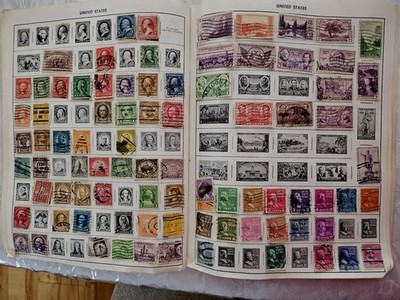
Filled albums and accumulations — how most serious collections begin, and usually the cheapest route into volume.