1800s Stamps: The Classic Era
The first sixty years of postage produced the material that still anchors the hobby. What to look for, and what to be careful of.
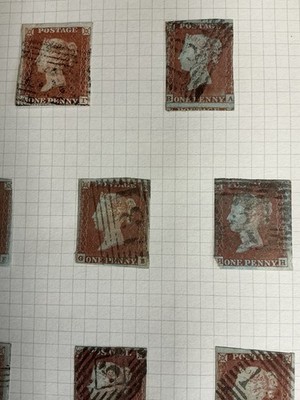
Adhesive postage began in Britain in 1840 with the Penny Black — a single flat rate, prepaid by the sender rather than collected from the recipient, which was the genuinely radical part. The idea spread across Europe and the Americas within a decade, and by the 1860s most postal administrations were issuing their own stamps.
Collectors call everything from that period up to roughly 1900 the classic era. It is where the hobby's most recognisable material sits, and where condition matters most, because these stamps were printed on handmade papers, separated by hand or by imprecise machines, and stored for a century and a half before anyone thought about archival conditions.
What defines the period
- Imperforate issues
- The earliest stamps had no perforations and were cut apart with scissors. Margins are therefore part of the grade: a four-margin example with clear space on all sides is markedly more desirable than one cut into the design.
- Line and comb perforation
- As perforating machinery arrived, gauge — the number of holes per two centimetres — became a way of distinguishing otherwise identical printings. A perforation gauge is a basic tool for a reason.
- Watermarks
- Many classic papers carry a watermark visible when held to light or laid in watermark fluid. The same design on watermarked and unwatermarked paper can be two very different stamps in value.
- Plate varieties
- Hand-engraved plates wore and were repaired, producing recognisable flaws that let specialists identify the exact plate position a stamp came from. Some positions are collected specifically.
Nineteenth-century stamps at auction
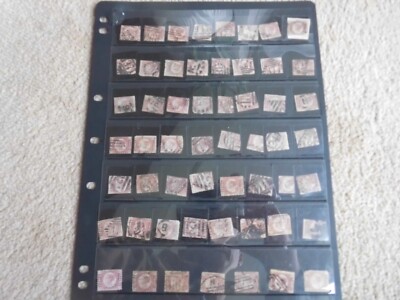
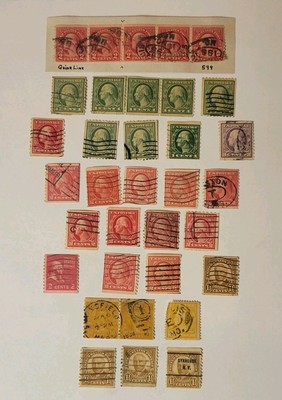
Classic-era material currently listed. Check margins and cancellation quality in the photographs before bidding.



Where beginners lose money
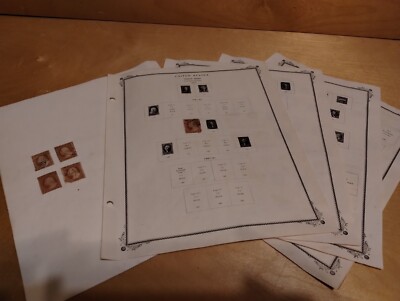
Two traps account for most early disappointment. The first is buying heavily hinged or regummed unused stamps at never-hinged prices — the difference is visible on the back and the price gap is large. The second is reprints and forgeries, which are abundant for exactly the famous issues a new collector wants most, and which were often produced in the nineteenth century itself, so age alone proves nothing.
The defence is unglamorous: buy inexpensive material freely while learning, and require certification on anything expensive. A certificate costs a fraction of the loss it prevents.
British and Commonwealth classics
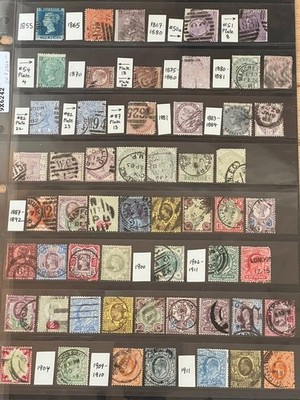
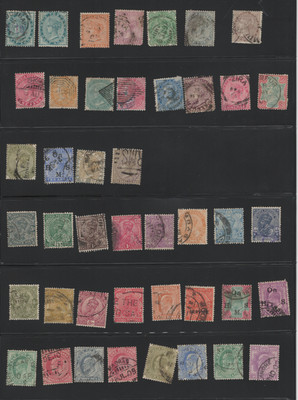
Victorian issues, colonial overprints, and the surface-printed material that followed the Penny Black.