
First Day Covers, Explained
An envelope cancelled on the day a stamp was released. Simple idea, surprisingly deep collecting field.
A first day cover is an envelope bearing a new stamp, cancelled on its official first day of issue, usually at a city connected to the subject. They sit at the intersection of philately and postal history: the stamp matters, but so does the envelope, the cancellation, and the illustration printed on the left-hand side.
They are among the most accessible things to collect. Most modern covers cost very little, they are easy to store, and a run of them tells a coherent story about what a country chose to commemorate and when.
What separates a good cover from a common one
- The cachet
- The design printed on the envelope. Mass-produced printed cachets are common; hand-painted and limited-run cachets from known makers are collected specifically and carry most of the premium in modern covers.
- Addressed or unaddressed
- Unaddressed covers, with no recipient written or typed on, are generally preferred. A neatly typed address is tolerable; a hand-scrawled one usually is not.
- Cancellation quality
- The postmark should be crisp and legible, showing the date and city clearly. A smudged or partial strike undermines the entire point of the object.
- Condition of the envelope
- Creases, toning and opened-badly edges all matter, because unlike a stamp the envelope is the item, not a carrier for it.
First day covers currently listed
Cacheted covers and dealer lots. Bulk lots are where the value tends to be for someone starting out.

US Stamps # 855 Rare First Day Cover Photo Cachet
On eBay$25

lot of 1000+ mixed cachet First Day covers many Blocks 1920's to 2000's
On eBay$293
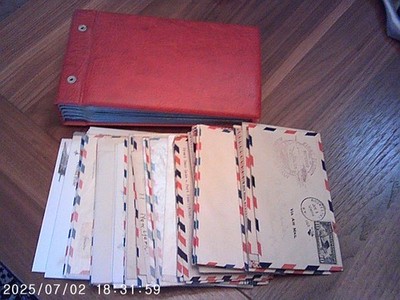
70 Air Mail 1928-1971 FDC CACHET FIRST DAY COVER Lot Flights Aviation
On eBay$100

HUGE LOT FIRST DAY COVERS, MANY CACHETS, UNADDRESSED, ABOUT 450 PER LOT,AWESOME!
On eBay$160

#859-893 Famous Americans set of 35 Ioor cachet First Day cover matched Address
On eBay$26

2026 American Icons Set of 13 FDCs: Cachets Ciccolella
On eBay$100

France Stamps # C1-2 Rare First Day Cover Cachet Cachet
On eBay$188

US Stamps # 740-9 Parks First Day Cover Matched Set Of Cachets Scarce
On eBay$75