Sealed vs Graded: Two Ways to Collect Pokémon
One is a known quantity with a number on it. The other is a sealed box and a probability. They behave very differently.
Pokémon collecting splits into two markets that look adjacent but behave almost nothing alike. Graded singles are known objects: a specific card, a specific grade, a published population, and comparable sales you can look up. Sealed product is the opposite — the value rests on what might be inside, and on the fact that opening it destroys the thing being valued.
Neither is better. They reward completely different temperaments, and confusing them is how people end up disappointed.
How they differ in practice
- Price discovery
- A graded single has a specific card, grade and census behind it, so comparables are easy to find. Sealed product prices on set, print run and rumour about pull rates, which is a much noisier signal.
- Authentication risk
- A slabbed card has already been authenticated by the grader. Sealed product carries genuine resealing risk, particularly for vintage boxes, and that risk grows precisely as the value does.
- The optionality
- A sealed box can always be opened; a graded card cannot be un-graded. That option has value — and it is exactly what you give up the moment you break the seal.
- Storage
- Slabs are rigid, stackable and largely indifferent to handling. Sealed boxes are cardboard, and their condition — crushed corners, shrink wrap integrity — is part of what is being priced.
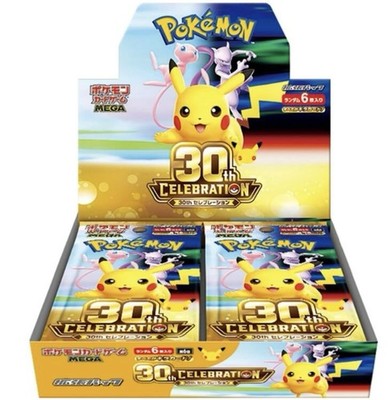
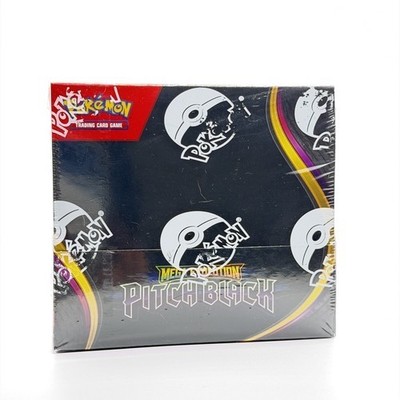
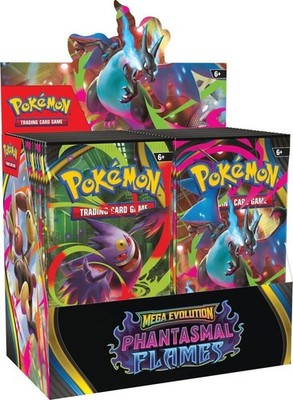
Sealed booster boxes
Factory-sealed boxes currently listed. On vintage product, check the seller's history and the wrap carefully.




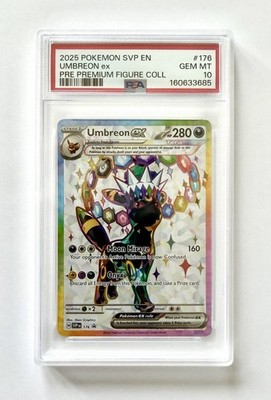
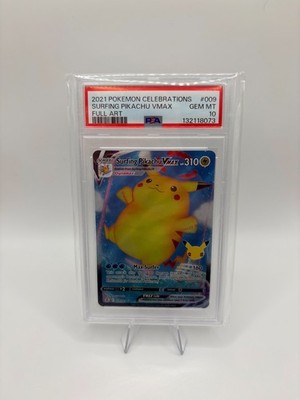
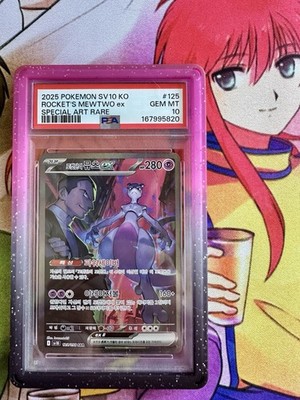
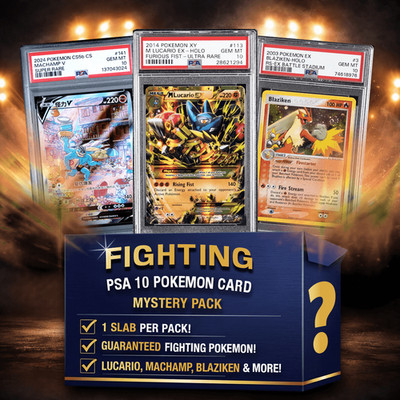
Graded singles
PSA-slabbed cards, where the grade and the population are already established.